Gambling Ads Banned? How Affiliates and Influencers Get Around It

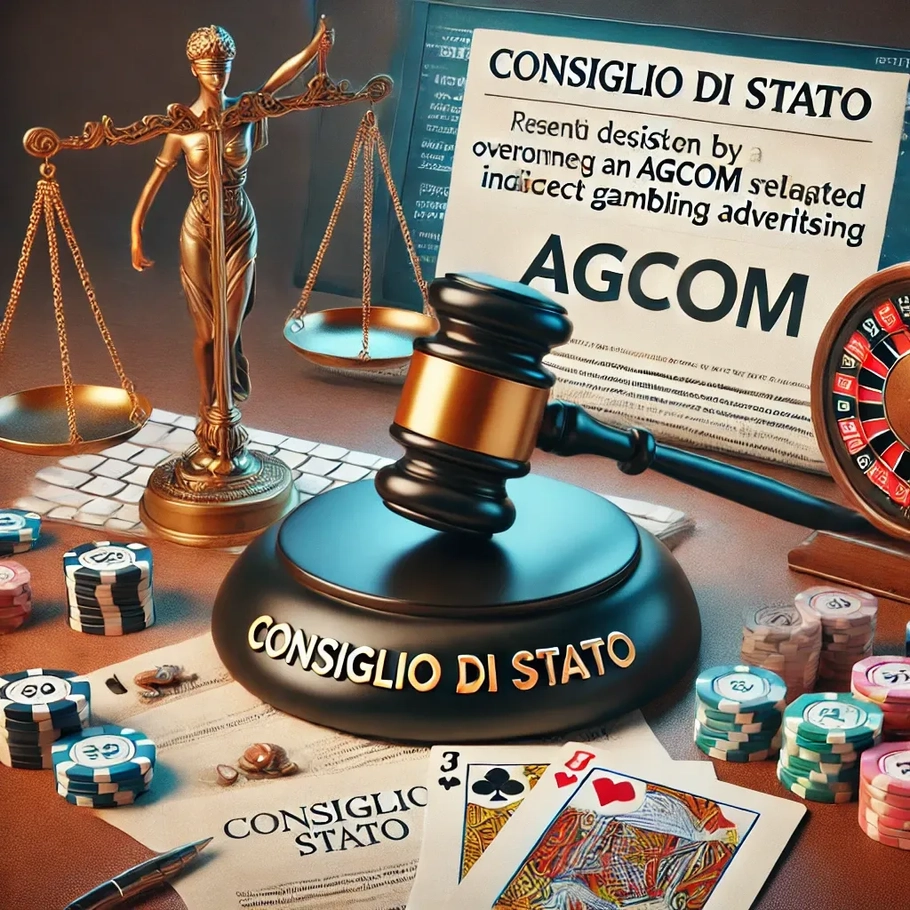
Gambling advertising is banned, but promotion arrives anyway disguised as content: rankings, reviews, streams, affiliate links with revenue share. How to recognise it.
18+Legal NoticeGambling is only permitted for those aged 18 and over.Details
In Italy gambling advertising has been banned since 2019. Yet you see promotion everywhere: "best casinos", bonus codes, streamers, influencers, five-star reviews. How is that possible? Because advertising changed its costume: it disguises itself as content and travels on the affiliate ecosystem. Here is how the grey area works — and how not to be steered.
The ban everyone gets around: in Italy gambling advertising is banned, yet promotion arrives anyway — disguised as "content": glowing reviews, promo codes, streams, affiliate links. The costume changes, not the substance. And often it is undisclosed.
The Ban and Its Workaround
The Dignity Decree bans explicit advertising: ads, sponsorships, direct promotions. But it cannot ban information. In between lies a huge grey area: reviews, rankings, "editorial" content that in fact promotes without calling itself advertising. That is where affiliate marketing operates.
How Promotions Disguise Themselves
| Form | How it looks | What it often hides |
|---|---|---|
| "Top 10 casinos" | "Objective" ranking | Order decided by commissions |
| Glowing review | Editorial content | Affiliate link, no downside mentioned |
| Stream / video | Entertainment | Promo codes, provided balances |
| Influencer post | Personal recommendation | Undisclosed sponsorship |
Typical affiliate-ecosystem patterns; the financial interest is not always disclosed. Transparency is the criterion.
The Model That Angers People: Revenue Share
Many affiliates earn a share of your losses (revenue share): the more you lose, the more whoever brought you there earns. It is a structural conflict of interest, almost never disclosed. It does not mean every review is in bad faith, but it explains why so many "rankings" are oddly enthusiastic and downside-free.
Information vs Promotion: The Line
The difference is not the topic, it is the intent. Content that tells you the RTP, terms, risks and invites you to verify = information. Content that says "sign up now, exclusive bonus, code here" = promotion, however disguised. A serious site also explains when not to play.

How to Protect Yourself
- Look for the disclosure: "#ad", "sponsored", "affiliate link". Its absence is already an answer.
- Distrust flawless enthusiasm: no operator is perfect; anyone omitting downsides is selling.
- Demand data, not adjectives: RTP, terms, licence. If missing, it is promotion.
- Verify independently the licence and conditions: see how to choose a serious casino.
Ad ban worked around: FAQ
If ads are banned, why do I see promotions everywhere?
Because promotion disguises itself as editorial content or entertainment: biased reviews, "top casinos", streams, influencer posts with affiliate links. The ban hits explicit advertising; the affiliate ecosystem operates in the grey area.
What is an affiliate link?
It is a tracked link that, if you sign up and play, earns a commission for whoever showed it to you — often a share of your losses (revenue share). The financial interest is not always disclosed.
How do I spot disguised promotional content?
Signs: one-sided enthusiasm with no downsides, promo codes, "sign up here", absence of verifiable data (RTP, terms), and no disclosures like "#ad" or "sponsored content".
Is a site talking about casinos necessarily advertising?
No. Informational content — rules, RTP, risks, data — is lawful and useful. The difference is intent: to inform (also explains risks) vs to promote (pushes you to sign up now).
Responsible Gambling
Online gambling should be a form of entertainment, not a source of income. If you feel gambling is becoming a problem, free support resources are available:
- ADM — Responsible Gambling
- GiocoHelpline freephone: 800 558822 (free, 24/7)
- Every ADM casino offers self-exclusion tools, deposit limits and reality-check reminders of time played.
Was this article helpful?
What could we improve?
Thanks for your feedback!